Virginia Waterleaf
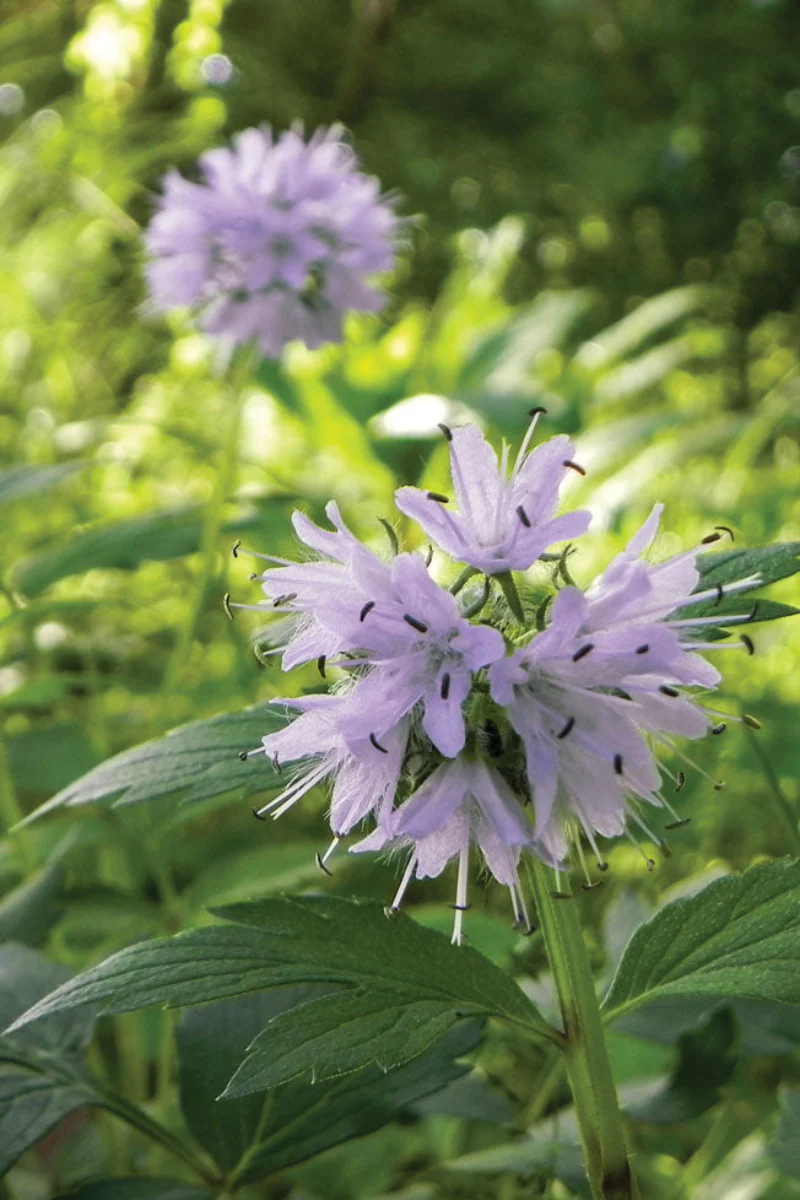
Virginia Waterleaf is a native woodland wildflower prized for its ability to spread gracefully beneath the shade of trees, forming a lush, low ground cover in naturalized plantings. Soft white to pale lavender flower clusters appear from spring into early summer, held above attractive lobed foliage marked with the pale blotches that give the plant its evocative common name. As a Great Lakes native, it supports native bees and butterflies while naturalizing readily with minimal care. It thrives in partial shade with moderate moisture and is notably tolerant of Juglone from black walnut trees—making it valuable under challenging conditions. A rewarding choice for native plant gardens and shaded woodland borders.
Virginia Waterleaf is a native woodland wildflower prized for its ability to spread gracefully beneath the shade of trees, forming a lush, low ground cover in naturalized plantings. Soft white to pale lavender flower clusters appear from spring into early summer, held above attractive lobed foliage marked with the pale blotches that give the plant its evocative common name. As a Great Lakes native, it supports native bees and butterflies while naturalizing readily with minimal care. It thrives in partial shade with moderate moisture and is notably tolerant of Juglone from black walnut trees—making it valuable under challenging conditions. A rewarding choice for native plant gardens and shaded woodland borders.
Original: $8.99
-65%$8.99
$3.15Description
Virginia Waterleaf is a native woodland wildflower prized for its ability to spread gracefully beneath the shade of trees, forming a lush, low ground cover in naturalized plantings. Soft white to pale lavender flower clusters appear from spring into early summer, held above attractive lobed foliage marked with the pale blotches that give the plant its evocative common name. As a Great Lakes native, it supports native bees and butterflies while naturalizing readily with minimal care. It thrives in partial shade with moderate moisture and is notably tolerant of Juglone from black walnut trees—making it valuable under challenging conditions. A rewarding choice for native plant gardens and shaded woodland borders.