Fruit, Fig Chicago Hardy
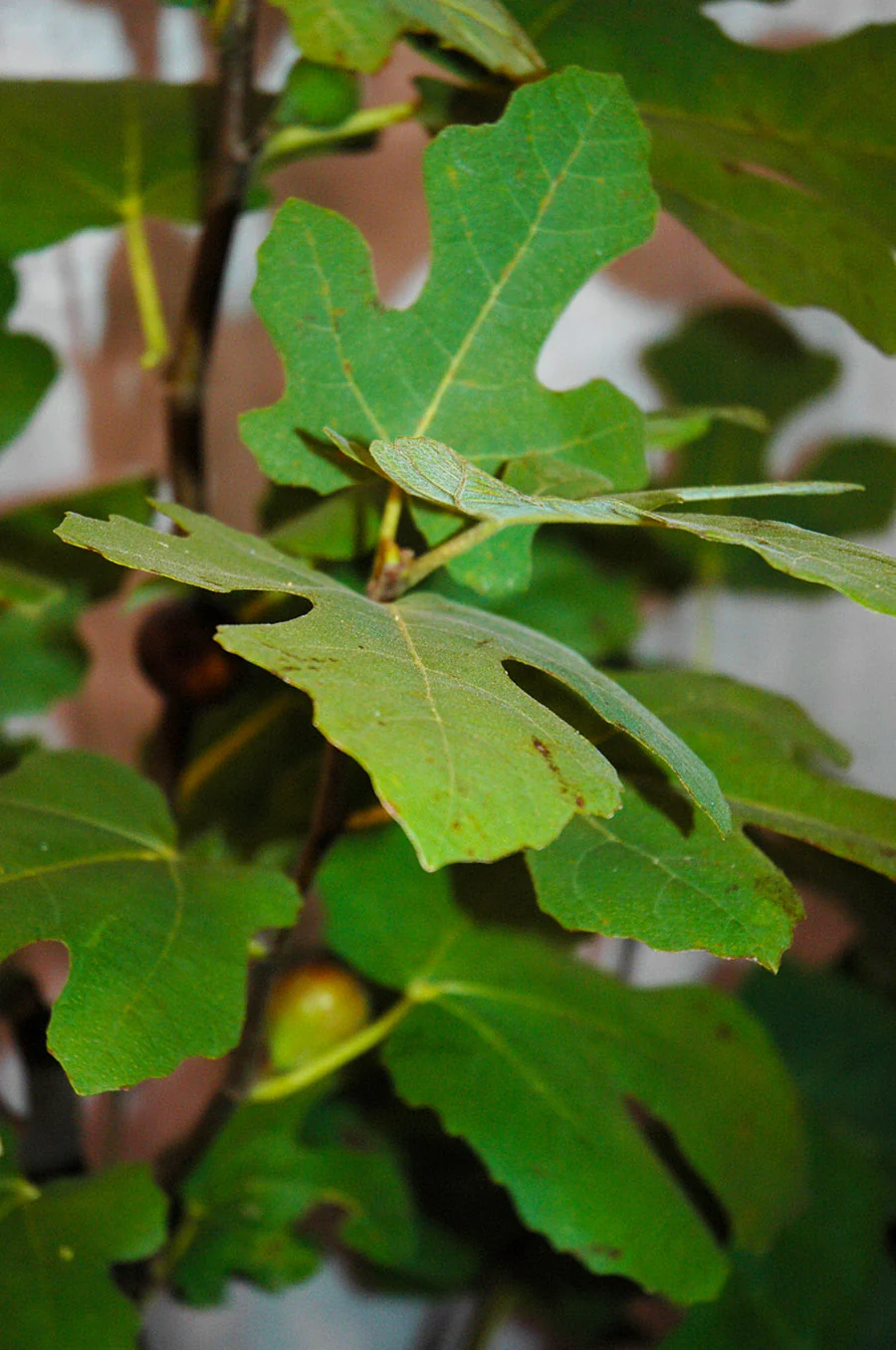
Chicago Hardy Fig is the premier fig for cold-climate gardens, selected for its remarkable ability to survive Midwestern winters and return from the roots even if top growth is killed back by severe cold. It produces an abundance of sweet, rich plum-purple figs in fall that are prized for fresh eating, drying, and preserves — an unexpected treat in the northern landscape. Growing to 9–15 feet with a spreading habit in full sun, it makes a dramatic specimen with large, deeply lobed tropical-looking leaves throughout the season. Deer, rabbits, insects, and disease leave it alone, and it tolerates Black Walnut — a surprisingly tough and adaptable plant for one so exotic in appearance. Plant in the warmest, most sheltered spot available for the best cold hardiness. A truly rewarding edible that expands what’s possible in the Midwestern home garden.
Chicago Hardy Fig is the premier fig for cold-climate gardens, selected for its remarkable ability to survive Midwestern winters and return from the roots even if top growth is killed back by severe cold. It produces an abundance of sweet, rich plum-purple figs in fall that are prized for fresh eating, drying, and preserves — an unexpected treat in the northern landscape. Growing to 9–15 feet with a spreading habit in full sun, it makes a dramatic specimen with large, deeply lobed tropical-looking leaves throughout the season. Deer, rabbits, insects, and disease leave it alone, and it tolerates Black Walnut — a surprisingly tough and adaptable plant for one so exotic in appearance. Plant in the warmest, most sheltered spot available for the best cold hardiness. A truly rewarding edible that expands what’s possible in the Midwestern home garden.
Original: $22.99
-65%$22.99
$8.05Description
Chicago Hardy Fig is the premier fig for cold-climate gardens, selected for its remarkable ability to survive Midwestern winters and return from the roots even if top growth is killed back by severe cold. It produces an abundance of sweet, rich plum-purple figs in fall that are prized for fresh eating, drying, and preserves — an unexpected treat in the northern landscape. Growing to 9–15 feet with a spreading habit in full sun, it makes a dramatic specimen with large, deeply lobed tropical-looking leaves throughout the season. Deer, rabbits, insects, and disease leave it alone, and it tolerates Black Walnut — a surprisingly tough and adaptable plant for one so exotic in appearance. Plant in the warmest, most sheltered spot available for the best cold hardiness. A truly rewarding edible that expands what’s possible in the Midwestern home garden.